Top Foods for Hormone Support During Perimenopause
Perimenopause brings many changes to a woman’s body, often marked by fluctuating hormones that can cause uncomfortable symptoms. These shifts affect mood, energy, sleep, and overall well-being. While hormone replacement therapy and medical treatments are options, nutrition plays a powerful role in supporting hormone balance naturally. Choosing the right foods can ease symptoms and promote long-term health during this transition.
This post explores the best foods to support hormone health during perimenopause. You will learn which nutrients matter most, how specific foods influence hormone production, and practical tips for incorporating them into your daily diet.
Why Nutrition Matters for Hormone Balance
Hormones like estrogen, progesterone, and testosterone regulate many body functions. During perimenopause, estrogen levels fluctuate unpredictably, causing symptoms such as hot flashes, mood swings, and sleep disturbances. Nutrition affects hormone production and metabolism in several ways:
Supports liver detoxification to clear excess hormones
Provides building blocks for hormone synthesis
Reduces inflammation that can disrupt hormone signaling
Balances blood sugar to prevent insulin spikes that affect hormone levels
Eating a variety of nutrient-dense foods helps maintain steady hormone levels and reduces symptom severity.
Foods Rich in Phytoestrogens
Phytoestrogens are plant compounds that mimic estrogen in the body. They can gently bind to estrogen receptors and help balance hormone levels when natural estrogen declines.
Examples of Phytoestrogen-Rich Foods
Flaxseeds: High in lignans, flaxseeds support estrogen balance and provide fiber for digestion. Add ground flaxseeds to smoothies or oatmeal.
Soy products: Tofu, tempeh, and edamame contain isoflavones, which research shows may reduce hot flashes. Choose organic, non-GMO soy when possible.
Chickpeas and lentils: These legumes offer phytoestrogens and protein, helping stabilize blood sugar and hormone production.
Including these foods regularly can ease menopausal symptoms by providing mild estrogenic effects.
Healthy Fats for Hormone Production
Hormones are made from cholesterol and fats, so consuming healthy fats is essential for hormone synthesis and cell membrane health.
Best Sources of Healthy Fats
Avocados: Rich in monounsaturated fats and vitamin E, avocados support hormone production and skin health.
Nuts and seeds: Almonds, walnuts, pumpkin seeds, and chia seeds provide omega-3 fatty acids and zinc, which help regulate hormone levels.
Fatty fish: Salmon, mackerel, and sardines are excellent sources of omega-3s that reduce inflammation and support brain health.
Aim to include a serving of healthy fats daily to maintain hormone balance and reduce inflammation.
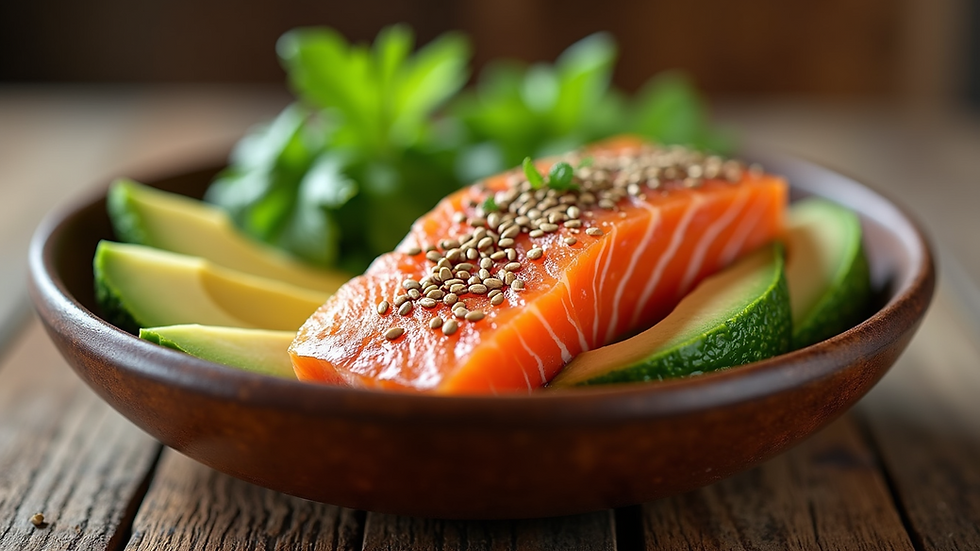
Close-up view of a bowl with flaxseeds, avocado slices, and salmon fillet on a wooden table
Fiber-Rich Foods to Support Hormone Detox
Fiber helps remove excess hormones by supporting digestion and liver function. It binds to estrogen in the gut and promotes its elimination, preventing hormone buildup.
High-Fiber Foods to Include
Whole grains: Brown rice, quinoa, and oats provide fiber and B vitamins that support energy and hormone metabolism.
Vegetables: Broccoli, Brussels sprouts, and kale contain fiber and compounds that aid liver detoxification.
Fruits: Apples, pears, and berries offer soluble fiber and antioxidants that reduce oxidative stress.
Eating at least 25-30 grams of fiber daily helps maintain hormone balance and digestive health.
Foods Rich in Magnesium and B Vitamins
Magnesium and B vitamins play key roles in hormone regulation, stress management, and energy production.
Nutrient-Dense Choices
Leafy greens: Spinach and Swiss chard provide magnesium and folate, supporting mood and sleep.
Bananas and avocados: These fruits offer magnesium and vitamin B6, which help reduce PMS and perimenopausal symptoms.
Whole grains and legumes: Rich in B vitamins, these foods support adrenal health and hormone synthesis.
Including these foods can improve mood swings, reduce anxiety, and support restful sleep.
Protein for Stable Blood Sugar and Hormone Support
Protein stabilizes blood sugar, preventing insulin spikes that disrupt hormone balance. It also provides amino acids needed for hormone production.
Best Protein Sources
Lean meats: Chicken and turkey provide high-quality protein without excess saturated fat.
Eggs: Contain essential amino acids and nutrients like choline that support hormone function.
Plant proteins: Beans, lentils, and quinoa offer protein and fiber for balanced energy.
Aim for protein at every meal to keep blood sugar steady and support hormone health.
Hydration and Herbal Teas
Staying hydrated supports all bodily functions, including hormone metabolism. Herbal teas can also provide gentle hormone support.
Recommended Hydration Tips
Drink at least 8 cups of water daily to aid digestion and detoxification.
Try herbal teas like red clover, chasteberry, or black cohosh after consulting a healthcare provider. These herbs have traditional uses for hormone balance.
Avoid excessive caffeine and alcohol, which can worsen symptoms.
Practical Meal Ideas for Hormone Support
Here are some simple ways to include hormone-supporting foods in your daily routine:
Breakfast: Oatmeal topped with ground flaxseeds, berries, and a spoonful of almond butter
Lunch: Mixed greens salad with grilled salmon, avocado, chickpeas, and a lemon-tahini dressing
Snack: Greek yogurt with walnuts and sliced banana
Dinner: Stir-fried tofu with broccoli, quinoa, and sesame seeds
Planning meals with these ingredients helps maintain steady hormone levels and reduces perimenopausal symptoms.
Final Thoughts on Nutrition and Perimenopause
Eating a balanced diet rich in phytoestrogens, healthy fats, fiber, magnesium, B vitamins, and protein supports hormone balance during perimenopause. These foods help ease symptoms naturally and promote overall health. Small changes in your diet can make a big difference in how you feel every day.
Start by adding one or two hormone-supporting foods to your meals this week. Over time, these choices will build a foundation for better hormone health and well-being.
Disclaimer: This content is for informational purposes only and does not replace professional medical advice. Consult a healthcare provider before making significant changes to your diet or taking herbal supplements.

Comments