Balancing Hormones Naturally: Nutrition Tips for Women
Hormonal imbalances affect many women at different stages of life. These imbalances can cause symptoms like mood swings, fatigue, weight changes, and irregular periods. While medical treatments are available, many women seek natural ways to support their hormone health. Nutrition plays a key role in this process. Eating the right foods can help balance hormones, improve energy, and support overall well-being.
This post explores practical nutrition tips that women can use to support hormone balance naturally. It covers essential nutrients, foods to include, and lifestyle habits that complement a hormone-friendly diet.
Understanding Hormones and Their Role in Women’s Health
Hormones are chemical messengers that regulate many body functions, including metabolism, mood, reproduction, and sleep. In women, hormones like estrogen, progesterone, and insulin have a significant impact on health.
When hormone levels fluctuate or become imbalanced, it can lead to symptoms such as:
Irregular menstrual cycles
Hot flashes or night sweats
Weight gain or difficulty losing weight
Mood changes like anxiety or depression
Fatigue and low energy
Hormonal imbalances can result from stress, poor diet, environmental toxins, or underlying health conditions. Nutrition can influence hormone production and metabolism, making it a powerful tool to support balance.
Key Nutrients That Support Hormone Balance
Certain nutrients play a vital role in hormone production and regulation. Including these in your diet can help maintain steady hormone levels.
Healthy Fats
Fats are building blocks for hormone production. Without enough healthy fats, the body struggles to make hormones like estrogen and progesterone.
Sources: Avocados, olive oil, nuts, seeds, fatty fish (salmon, mackerel)
Benefits: Support hormone synthesis, reduce inflammation, improve brain health
Protein
Protein provides amino acids necessary for hormone creation and repair of tissues.
Sources: Lean meats, poultry, fish, eggs, legumes, tofu
Benefits: Stabilizes blood sugar, supports metabolism, aids in hormone production
Fiber
Fiber helps regulate estrogen levels by promoting healthy digestion and elimination.
Sources: Vegetables, fruits, whole grains, legumes
Benefits: Binds excess estrogen, supports gut health, reduces inflammation
Vitamins and Minerals
Certain vitamins and minerals are essential for hormone balance:
Vitamin D: Supports estrogen production and mood regulation. Found in sunlight, fortified foods, and fatty fish.
Magnesium: Helps reduce stress hormones and supports progesterone. Found in leafy greens, nuts, seeds.
B Vitamins: Important for energy and hormone metabolism. Found in whole grains, eggs, and leafy vegetables.
Zinc: Supports reproductive hormone production. Found in meat, shellfish, seeds.
Foods to Include for Hormone Health
Eating a variety of whole, nutrient-dense foods supports hormone balance naturally. Here are some specific foods to focus on:
Cruciferous Vegetables
Broccoli, cauliflower, Brussels sprouts, and kale contain compounds that help the liver break down excess estrogen. This supports balanced estrogen levels and reduces the risk of hormone-related issues.
Fatty Fish
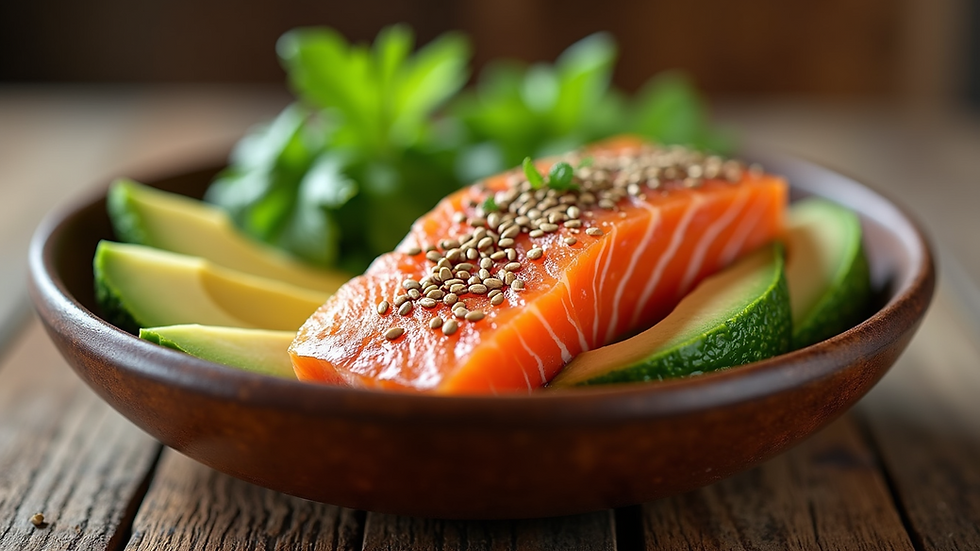
Rich in omega-3 fatty acids, fatty fish reduce inflammation and support hormone production. Aim for 2-3 servings per week.
Fermented Foods
Yogurt, kefir, sauerkraut, and kimchi promote a healthy gut microbiome. A balanced gut helps regulate hormones by improving digestion and reducing inflammation.
Seeds
Flaxseeds and pumpkin seeds provide lignans and essential fatty acids that support estrogen balance and reduce PMS symptoms.
Whole Grains
Quinoa, brown rice, and oats provide fiber and B vitamins that stabilize blood sugar and support hormone metabolism.

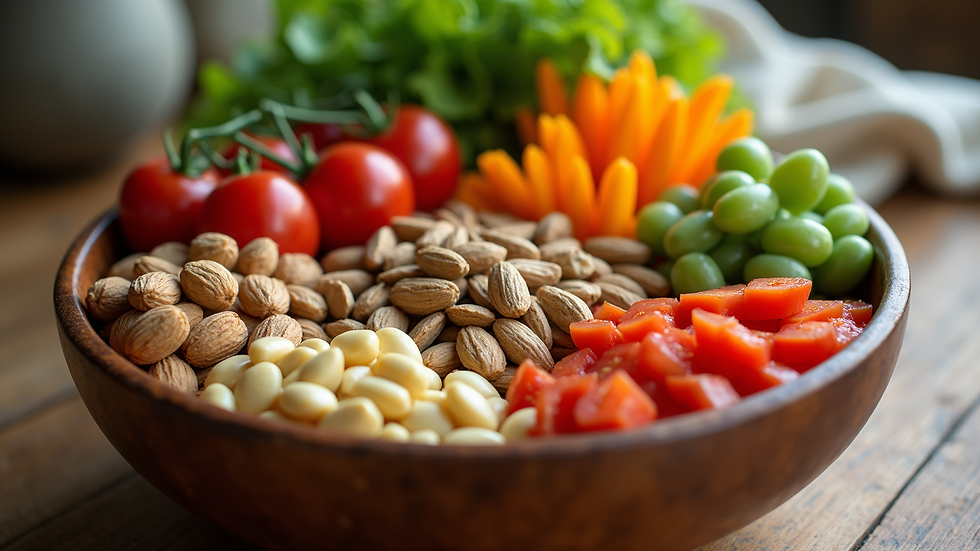
Balanced meals with vegetables and seeds help support natural hormone balance.
Foods to Limit or Avoid
Certain foods can disrupt hormone balance and worsen symptoms. Limiting these can improve your hormone health.
Refined sugars and processed foods: Cause blood sugar spikes and increase inflammation.
Excess caffeine: Can raise cortisol, the stress hormone, leading to imbalances.
Alcohol: Interferes with liver function, impairing hormone metabolism.
Highly processed meats: Contain additives and hormones that may disrupt your own hormone balance.
Lifestyle Habits That Support Hormone Balance
Nutrition is one part of the equation. Lifestyle habits also influence hormone health.
Manage Stress
Chronic stress raises cortisol, which can disrupt other hormones. Practices like meditation, yoga, and deep breathing help reduce stress.
Get Quality Sleep
Sleep supports hormone production and regulation. Aim for 7-9 hours of restful sleep per night.
Stay Active
Regular exercise improves insulin sensitivity and supports hormone balance. Choose activities you enjoy, such as walking, swimming, or dancing.
Avoid Environmental Toxins
Limit exposure to chemicals found in plastics, pesticides, and personal care products that can mimic hormones and disrupt balance.
Practical Meal Ideas for Hormone Balance
Here are some simple meal ideas that incorporate hormone-supporting foods:
Breakfast: Oatmeal topped with flaxseeds, walnuts, and fresh berries
Lunch: Mixed greens salad with grilled salmon, avocado, pumpkin seeds, and olive oil dressing
Snack: Greek yogurt with a sprinkle of chia seeds and sliced almonds
Dinner: Stir-fried broccoli, tofu, and quinoa with garlic and ginger
These meals provide a balance of healthy fats, protein, fiber, and essential nutrients.
Supporting hormone balance naturally through nutrition is a powerful way for women to improve their health and well-being. By focusing on whole foods rich in healthy fats, fiber, and key vitamins, and by adopting supportive lifestyle habits, you can help your body maintain steady hormone levels. Start with small changes today and notice how your energy, mood, and overall health improve over time.
If you experience persistent symptoms, consult a healthcare professional to explore personalized options. Nutrition is a strong foundation, but sometimes additional support is needed.
Take control of your hormone health by choosing nourishing foods and habits that support your body’s natural balance. Your hormones will thank you.
Comments